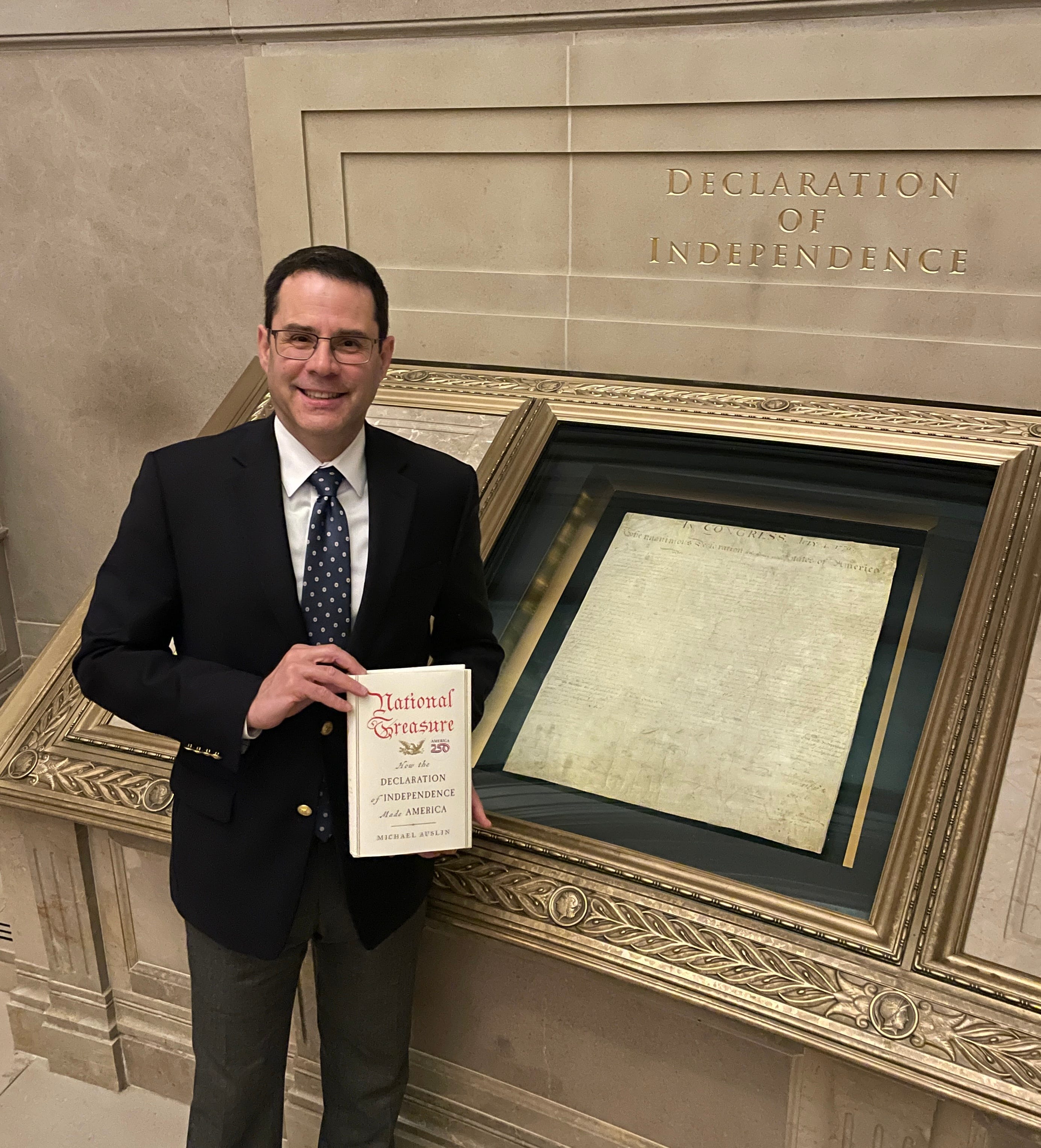
Happy Signing Day!
August 2 is the 250th anniversary of the day the engrossed Declaration was signed

Among the most persistent myths surrounding the Declaration of Independence is that the famous parchment now in the National Archives was engrossed (written in a large hand) and signed on July 4.
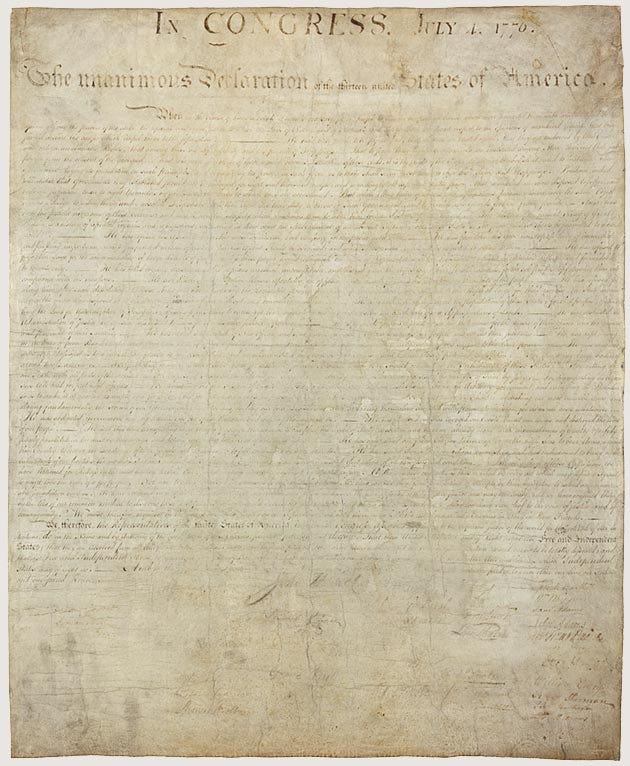
(The engrossed Declaration of Independence, in the National Archives.)
In reality, as I describe in National Treasure: How the Declaration of Independence Made America, the Continental Congress did not even think to order a more permanent copy of the Declaration until July 19, two weeks after voting for Independence and adopting the Declaration. It then took nearly another two weeks for Timothy Matlack to engross the Declaration with his elegant penmanship, give it back to Congress, and have delegates sign their names.
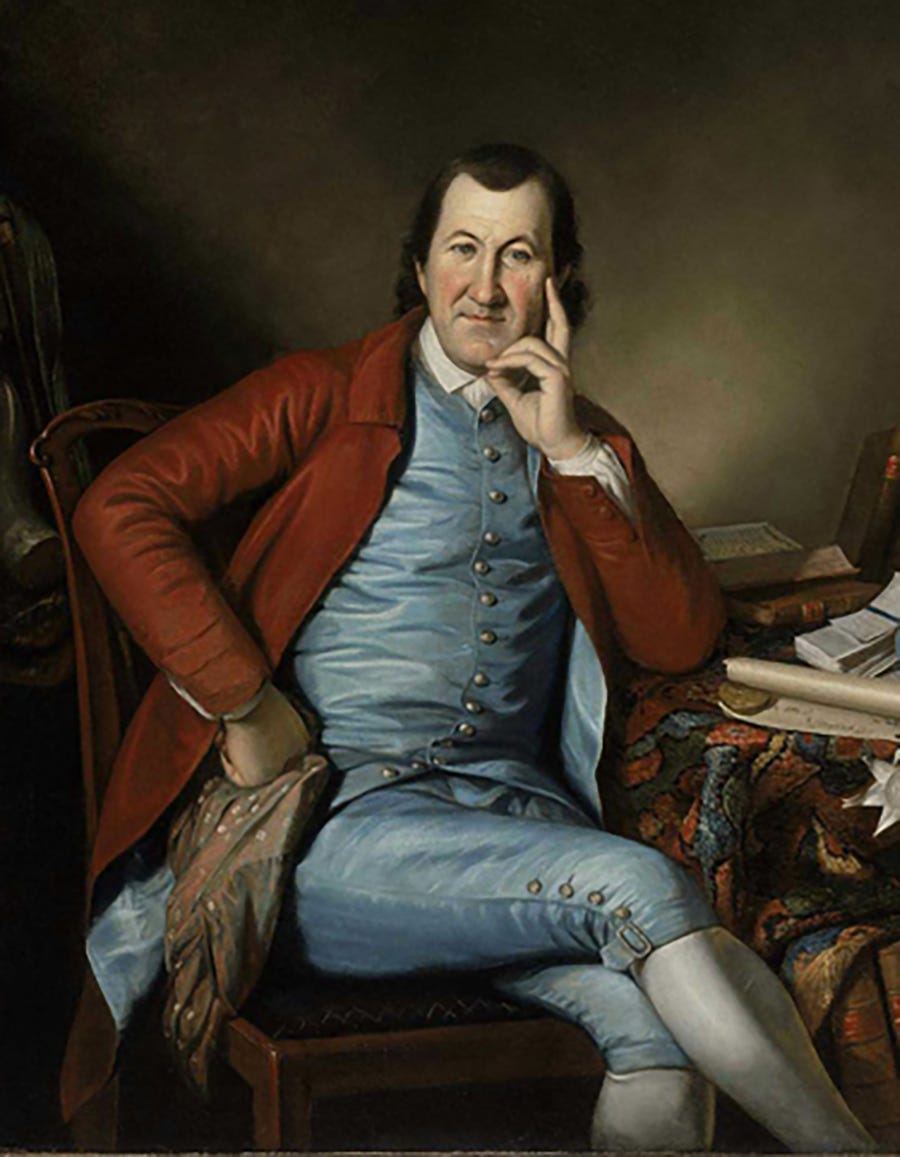
(Timothy Matlack (1736-1829), scribe of the parchment Declaration; image from National Archives.)
On August 2, the parchment was ready and those delegates in Philadelphia at the time gathered in the State House, now Independence Hall, walked up to John Hancock’s desk and dipped their quills in the beautiful silver inkstand before signing their names to the greatest document in human history.
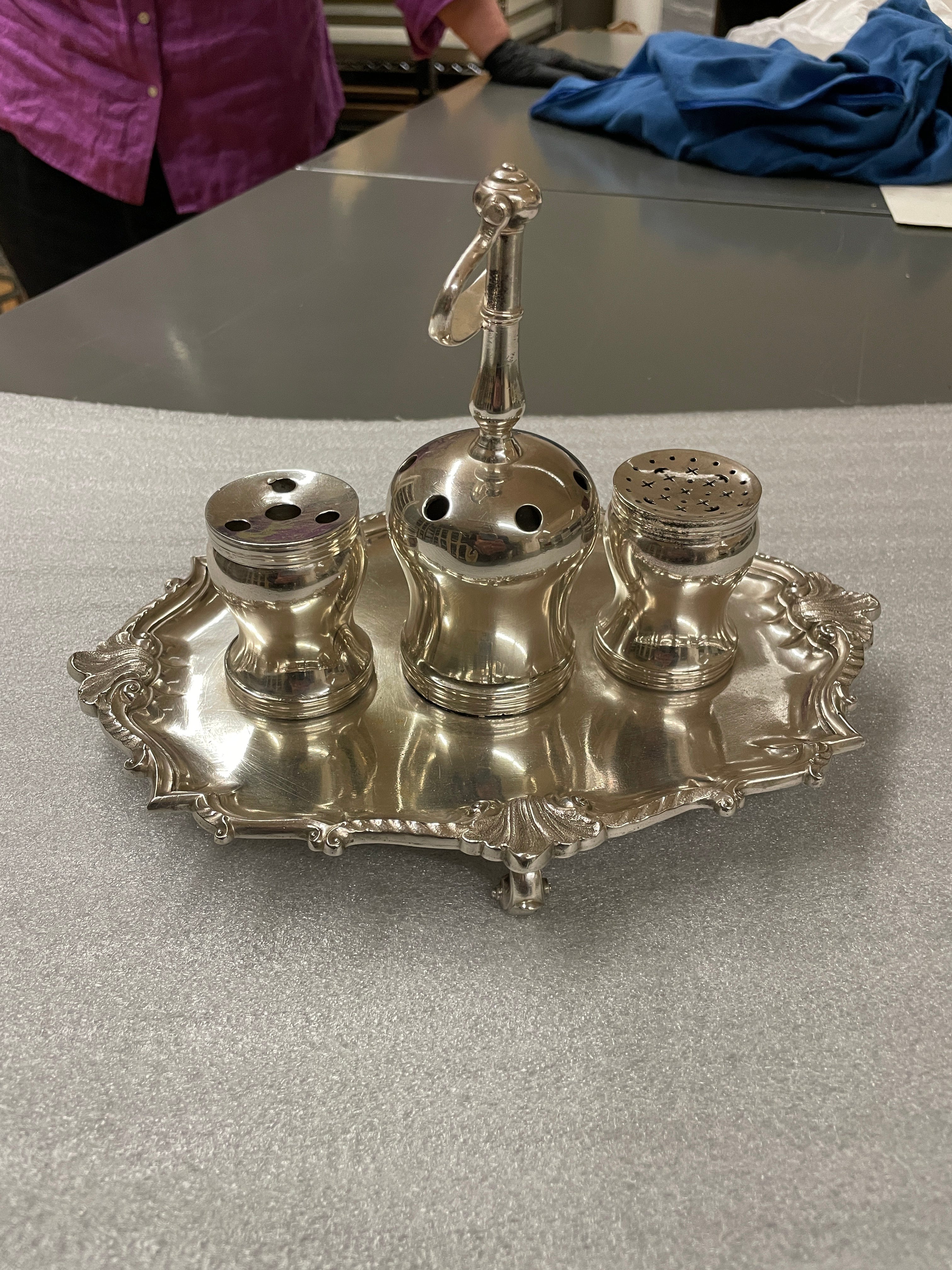
(The actual inkstand used to sign the Declaration of Independence, shown courtesy of the National Park Service; photo by the author.)
Yet, despite popular images and the stirring closing scene of the musical 1776, there was no one great moment when the 56 Signers solemnly lined up to put their names to a treasonous document. Some of the men who voted for Independence on July 2 and the Declaration on July 4 were not in Philadelphia afterwards, and some, like Thomas McKean, did not sign for weeks or months. Others who had not been in Philadelphia on July 4 did sign their names, including Matthew Thornton, Benjamin Rush, and George Clymer.
And once the ink was blotted? The parchment was rolled up and kept among the myriad papers of Charles Thomson, secretary of Congress. It, along with the names on it, was a state secret, known only to those in Congress. The vast majority of Americans would not even know of the scroll’s existence until after the War of 1812, when the legend of its rescue from the burning of Washington became popular.
Over the following decades, however, the parchment Declaration became an indelible part of the American consciousness and soon emerged into the light, when facsimiles of it were made and widely sold and the scroll itself put on display in the Old Patent Office in 1841.
So, if you are in Washington, D.C., on Sunday, August 2, take part of your day to go to the National Archives and view the Declaration on the 250th anniversary of its signing. And if you’re in Philadelphia, stop by Independence Hall to visit the room where it happened.
And if you do both on the same day, and send me photographic evidence (a hostage-like photo of you holding the newspaper of the day in both locations will do), I will send you a signed copy of National Treasure. Who can resist that?
If you’d like to learn more about Americans’ relationship to the priceless scroll, you can buy National Treasure here, and this essay in Real Clear Politics may whet your appetite.
Happy Signing Day!